
Work toward your target grade in IB Chemistry SL/HL with 1:1 tutoring
One-on-one IB Chemistry (SL / HL) tutoring programme. In a free initial consultation we assess your level and agree the plan and the exact price together. Parents and students are both welcome to reach out.
What is the IB Chemistry (SL / HL) exam?
IB Chemistry is a subject in the experimental sciences group of the International Baccalaureate Diploma Programme, offered at Standard Level (SL) and Higher Level (HL). The course covers a broad range of topics from atomic structure to chemical equilibrium and organic chemistry, through both theory and laboratory work. SL and HL share the same core topics; HL treats them in greater depth and adds further content.
Diploma candidates choose at least one subject from the experimental sciences group, and chemistry is a common choice for students aiming at medicine, pharmacy, chemical engineering or natural sciences. Such programs often expect HL. A strong chemistry grade is concrete evidence of both conceptual understanding and laboratory ability on an application file.
Why prepare for IB Chemistry (SL / HL) with Studrise?
Exam-focused expert tutors
Every lesson is taught by expert tutors who know the IB Chemistry (SL / HL) format inside out and focus on exam strategy.
A plan built around you
After your level assessment, we build a personal roadmap around your strengths and weak spots.
Flexible 1:1 schedule
Lessons run online and one-on-one on days and times that suit you — no clashes with school.
A clear start
It starts with a free initial consultation: level, plan and price are settled before the programme begins.
How it works
Free initial consultation
A short call and assessment to clarify your current level, your goal and your exam date.
Personal roadmap
We build a topic-by-topic weekly study plan and match you with the right tutor.
Reach your goal with 1:1 lessons
Start one-on-one lessons with your tutor and track progress with regular practice tests.
IB Chemistry (SL / HL) exam format
IB Chemistry assessment is made up of external exam papers and an Internal Assessment:
Paper 1
Multiple-choice questions and data analysis · different length at SL and HL
Paper 2
Short and extended-response questions · different length and weighting at SL and HL
Data booklet
Official data booklet used throughout · periodic table and constants
Internal Assessment
Individual experimental investigation report · about 20% of the total grade
IB Chemistry (SL / HL) topics
The topic areas on the exam and their weight. Lessons don't follow this order — we start from the area that will move your score the most.
Structure 1 — Models of the particulate nature of matter
Mole, atom, electron, gases
- The mole, Avogadro, molar mass, solutions
- Atomic structure, isotopes, mass spectrometry
- Electron configuration and emission spectra
- HL: ionisation energies and trends
- The ideal gas equation and real gases
Structure 2–3 — Bonding and classification
Ionic, covalent, metallic; the periodic table; organic
- Ionic and metallic bonding, lattice structures
- Covalent bonding, Lewis, VSEPR, polarity, intermolecular forces
- HL: hybridisation, resonance, formal charge, sigma–pi
- Periodic trends; HL: transition metals and complexes
- Organic: functional groups, homologous series, isomerism; HL: stereoisomerism, spectroscopy (IR, MS, NMR)
Reactivity 1–2 — Energy, rate and equilibrium
What drives reactions, how much, how fast, how far
- Enthalpy, calorimetry, Hess, bond enthalpies; HL: Born–Haber, entropy, Gibbs
- Fuels, energy and cells
- Stoichiometry, yield, limiting reactant, titration
- Rate, collision theory; HL: rate laws, mechanism, Arrhenius
- Equilibrium constant, Le Chatelier; HL: Gibbs and K
Reactivity 3 — Mechanisms
Proton, electron and pair transfer
- Acids and bases, pH, strong–weak; HL: Ka/Kb, buffers, titration curves, salt hydrolysis
- Redox, oxidation states, electrochemical cells; HL: standard potentials, electrolysis
- Radical reactions
- Nucleophilic substitution and addition; HL: SN1/SN2, Lewis acids and bases
- HL: electrophilic addition and substitution, drawing mechanisms
IB Chemistry (SL / HL) question types and strategy
Each question type has its own approach. In lessons we work on these strategies alongside the content.
Paper 1A and 1B — multiple choice + data
Paper 1A: SL 30 / HL 40 multiple choice. Paper 1B: data-based questions on experimental data. Together SL 90 min, HL 120 min; the chemistry data booklet and a calculator are allowed.
About 1.5 minutes a question in 1A; eliminate options by magnitude. In 1B, uncertainties, error bars and the physical meaning of a slope earn points; check units and significant figures in every answer.
Paper 2 — structured long-answer questions
SL 90 min / 50 marks, HL 150 min / 90 marks. Short-answer and extended structured questions mixing calculation, explanation, evaluation and experimental design.
Answer to the command term: "state" is a word, "explain" is cause and effect, "evaluate" is strengths and weaknesses. About 1.5 minutes per mark; read each question's mark allocation and size the answer to it.
Internal Assessment — the scientific investigation (20%)
One investigation report (about 3,000 words) on the student's own research question. Four criteria: research design, data analysis, conclusion, evaluation; six marks each, 24 in total.
Phrase the research question with independent and dependent variables and a measurable range; at least five data points with repeats. In the evaluation list errors with their effect and a fix. Finishing the IA by the end of year 1 leaves year 2 for the exams.
Scoring and target scores
IB Chemistry is graded on a 1–7 scale, where 7 is the highest. The subject grade combines the external exam papers with the lab-based Internal Assessment. Grades from six subjects, plus extra points from Theory of Knowledge and the Extended Essay, make up the total diploma score out of 45. A 6 or 7 is considered strong, and medicine, pharmacy and chemistry-focused programs often expect a 6 or above in HL chemistry.
IB Chemistry is taught across the two-year Diploma Programme, and exams are held twice a year, in the May and November sessions. Because topics build on one another, steady and continuous work is the most effective approach. One-on-one lessons are especially useful for clarifying abstract concepts and calculation techniques and for planning the Internal Assessment from experiment design through to the report. Working through past papers before the exam consolidates the topics.
What we cover in IB Chemistry (SL / HL) lessons
Atomic structure and periodicity
Bonding and molecular structure
Stoichiometry and energetics
Kinetics, equilibrium and acid-base
Internal Assessment (IA) guidance
Paper 1, 2 and 3 exam strategies
What sets the price of IB Chemistry (SL / HL) tutoring?
There is no single list price; the fee depends on the programme. You get a clear quote in the consultation — nothing is added later.
Lessons per week
One, two or three lessons a week — set by the time until the exam and the score gap.
Total duration and package
Lessons are priced as a package; longer programmes lower the per-lesson cost.
Scope
One section (say, Math only) or the whole exam? A narrower scope means a shorter programme.
Tutor and level
The tutor you're matched with and your starting level shape the plan, and therefore the fee.
Adding coaching?
Coaching and application counselling is an optional, separately priced programme.
Every lesson you pay for is 1:1
No crowded classroom, no idle hours. Keep that in mind when comparing with group-course prices.
In the free initial consultation we assess your level, draw up the plan and give you the exact price. No surprises.
The new IB Chemistry (2025): the Structure and Reactivity framework
Topics were reorganised around two questions, how matter is structured and how it reacts; options were removed.
The new IB Chemistry syllabus was first examined in May 2025 and groups content along two axes: Structure (1 particulate models, 2 models of bonding, 3 classification of matter) and Reactivity (1 what drives reactions, 2 how much–how fast–how far, 3 mechanisms). The old options (medicinal chemistry, materials, biochemistry) were removed; organic chemistry and spectroscopy moved into Structure 3 and transition metals into HL.
| Component | SL | HL | Weight |
|---|---|---|---|
| Paper 1A multiple choice + 1B data-based | 90 min · 55 marks | 120 min · 75 marks | 36% |
| Paper 2 short and extended structured | 90 min · 50 marks | 150 min · 90 marks | 44% |
| IA scientific investigation | 24 marks | 24 marks | 20% |
A calculator and the data booklet (periodic table, constants, bond enthalpies, Ka values, spectroscopy tables) are allowed in every paper. In recent years 9–11% of HL and 6–8% of SL candidates scored a 7.
- Who should take HL: medicine, dentistry, pharmacy, chemistry, chemical engineering and biochemistry applicants. UK medical schools require Chemistry HL almost universally.
- SL suits: engineering (physics-weighted), environmental sciences, social-science applicants completing the science group.
- For Turkish students: good overlap with school chemistry (moles, bonding, acids–bases, redox); what is missing is drawing organic mechanisms, interpreting spectroscopy and writing to command terms.
For the other sciences see IB Biology and IB Physics.
A two-year IB Chemistry support plan
Structure in year 1, Reactivity in year 2; the IA is done by June of year 1.
- Year 1, September–January: Structure 1–2. Mole and stoichiometry calculations, atomic structure, bonding and VSEPR; hybridisation and ionisation trends at HL. One Paper 2 calculation question per lesson.
- Year 1, February–June: Structure 3 + IA. Periodic trends, organic naming and isomerism; spectroscopy at HL. IA question in February (for example rate versus temperature, concentration by titration), data March–April, report in June.
- Year 2, September–December: Reactivity 1–3. Energy, rate, equilibrium, acids–bases, redox, mechanisms; Gibbs–K, Arrhenius, buffers, SN1/SN2 and electrophilic mechanisms at HL. One full set before the school mocks.
- Year 2, January–April: one timed paper a week, self-assessment with the markscheme, speed with the data-booklet tables (Ka, bond enthalpies, NMR shifts), error log.
- May: exam-week routine.
One or two lessons a week is enough; for exam-only support, a four-month programme from January is built around Reactivity-heavy past papers.
Round out your IB Chemistry (SL / HL) prep with coaching
Tutoring teaches the material; coaching manages the process. Your Studrise coach brings your study routine, goals and application timeline into one plan alongside your IB Chemistry (SL / HL) lessons — so what you learn in class turns into results.
Weekly plan & check-ins
A study plan with regular progress check-ins.
Data-driven strategy
Targets and plans updated from practice-test results.
Motivation & test anxiety
Support with time management, motivation and exam nerves.
Aligned with applications
Planning built around your university and program goals.
ADD-ON PROGRAMME
How do I get started?
Coaching is a separately priced programme alongside your lessons. In the initial consultation we agree its scope and price and build a coaching plan that fits around your lesson schedule.
Initial consultation is free
Our tutors
SAT, IELTS, AP, IB and more — you'll work with experienced, exam-focused tutors in every subject.

Addison Bunch
English Teacher
10+ years of experience
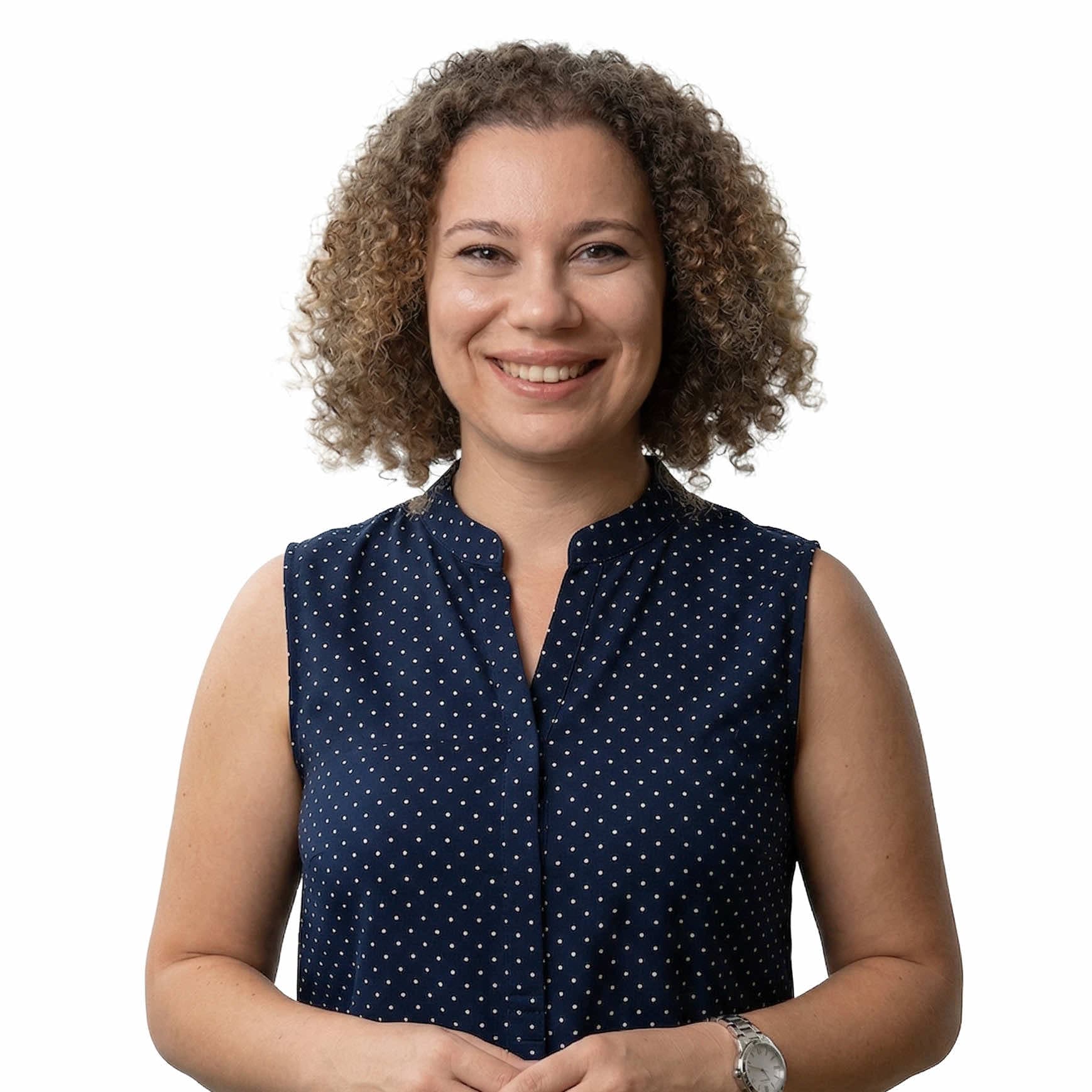
Burçak Gökmen
Biology Teacher
20+ years of experience

Buğra Gökmen
Computer Science Teacher
7+ years of experience
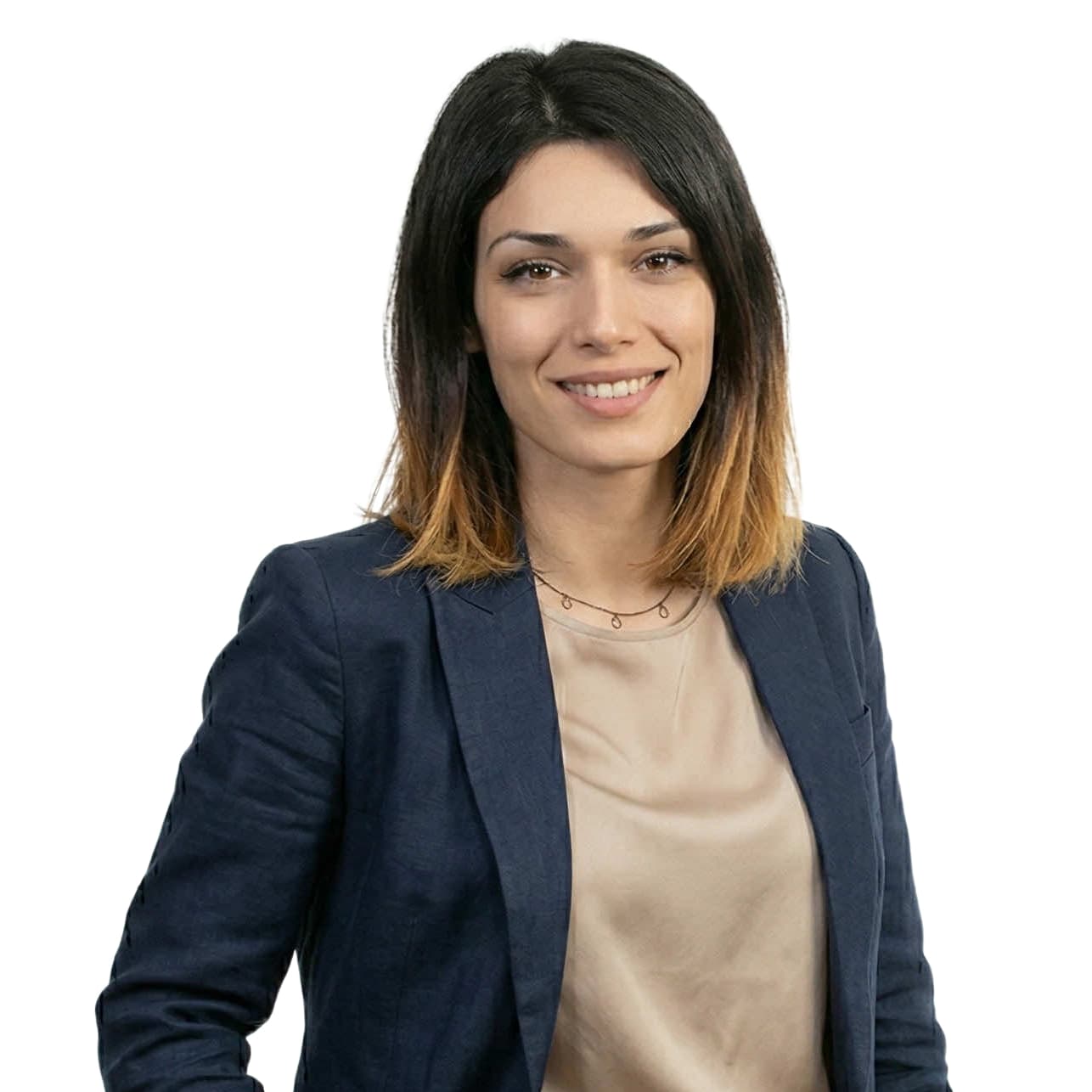
Ela Pehlivanoğlu
Chemistry Teacher
10+ years of experience

Gözde Top
History Teacher
6+ years of experience
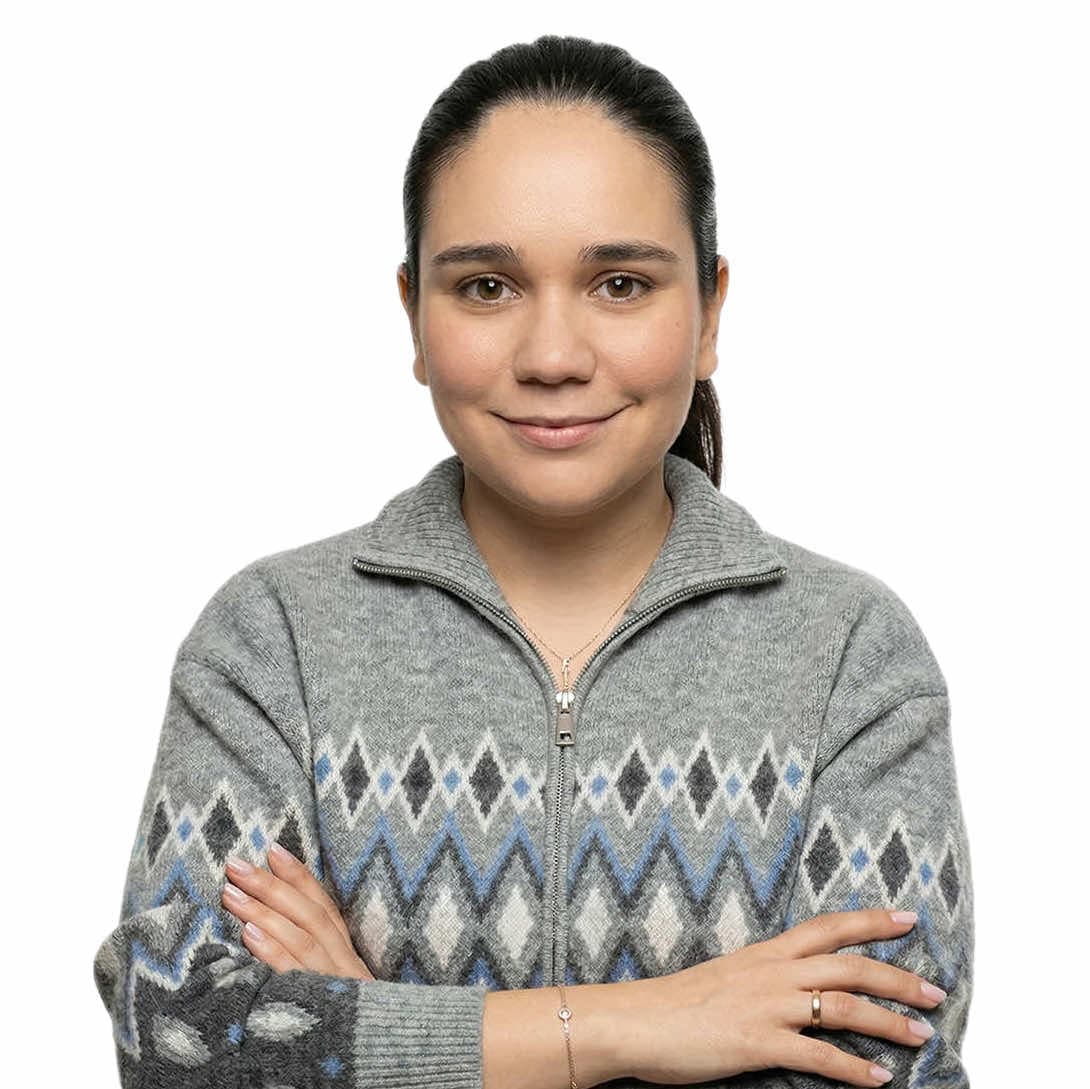
Lara Deniz Alper
Math & Economics Teacher
7+ years of experience
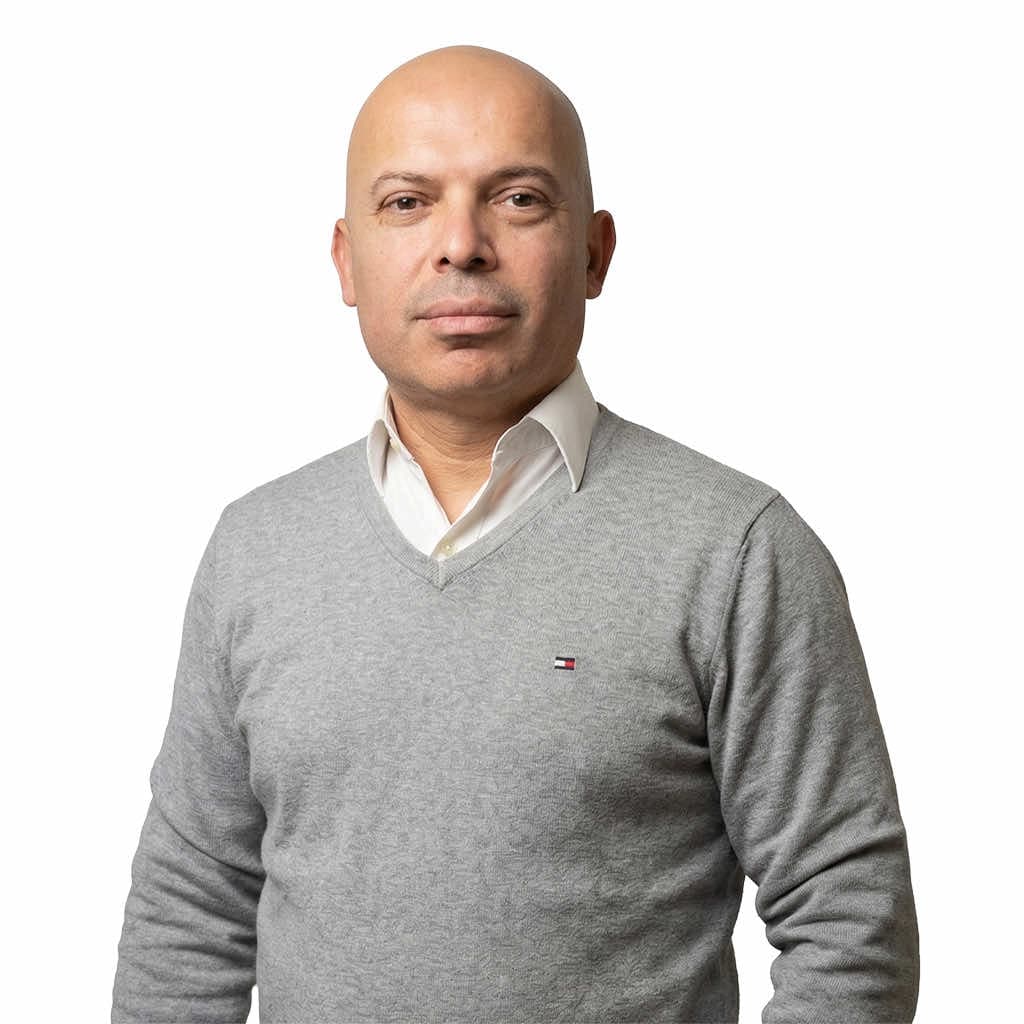
Mesut Mızrak
Physics Teacher
26+ years of experience
Şule Çağlın
Physics Teacher
7+ years of experience
Frequently asked questions
Start working toward your IB Chemistry (SL / HL) goal today
Fill in the form; in a free initial consultation we settle your level, programme and exact price together. No crowded classroom, no idle hours: every lesson you pay for is one-on-one.